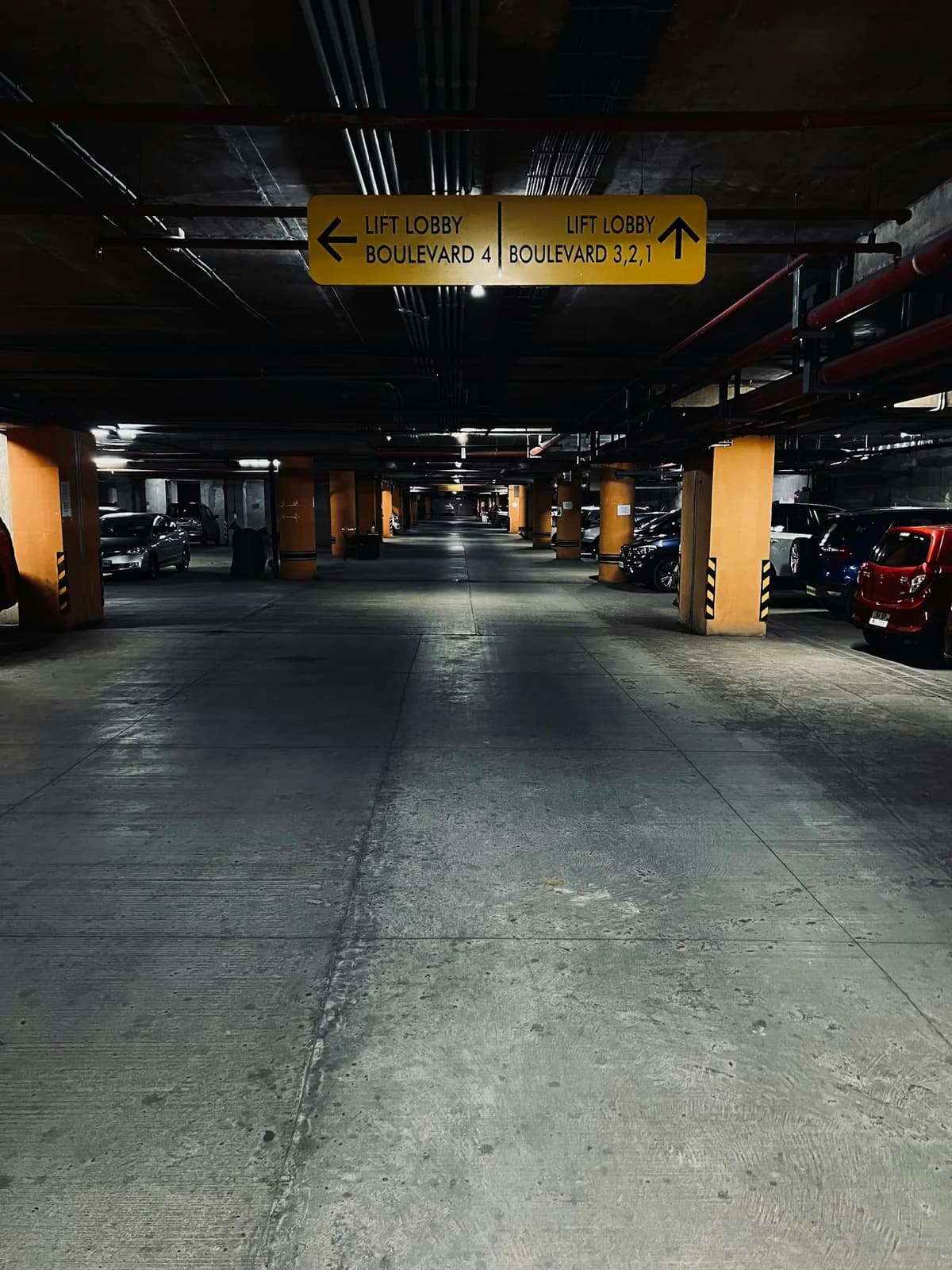
EV-ready parking starts before the charger.
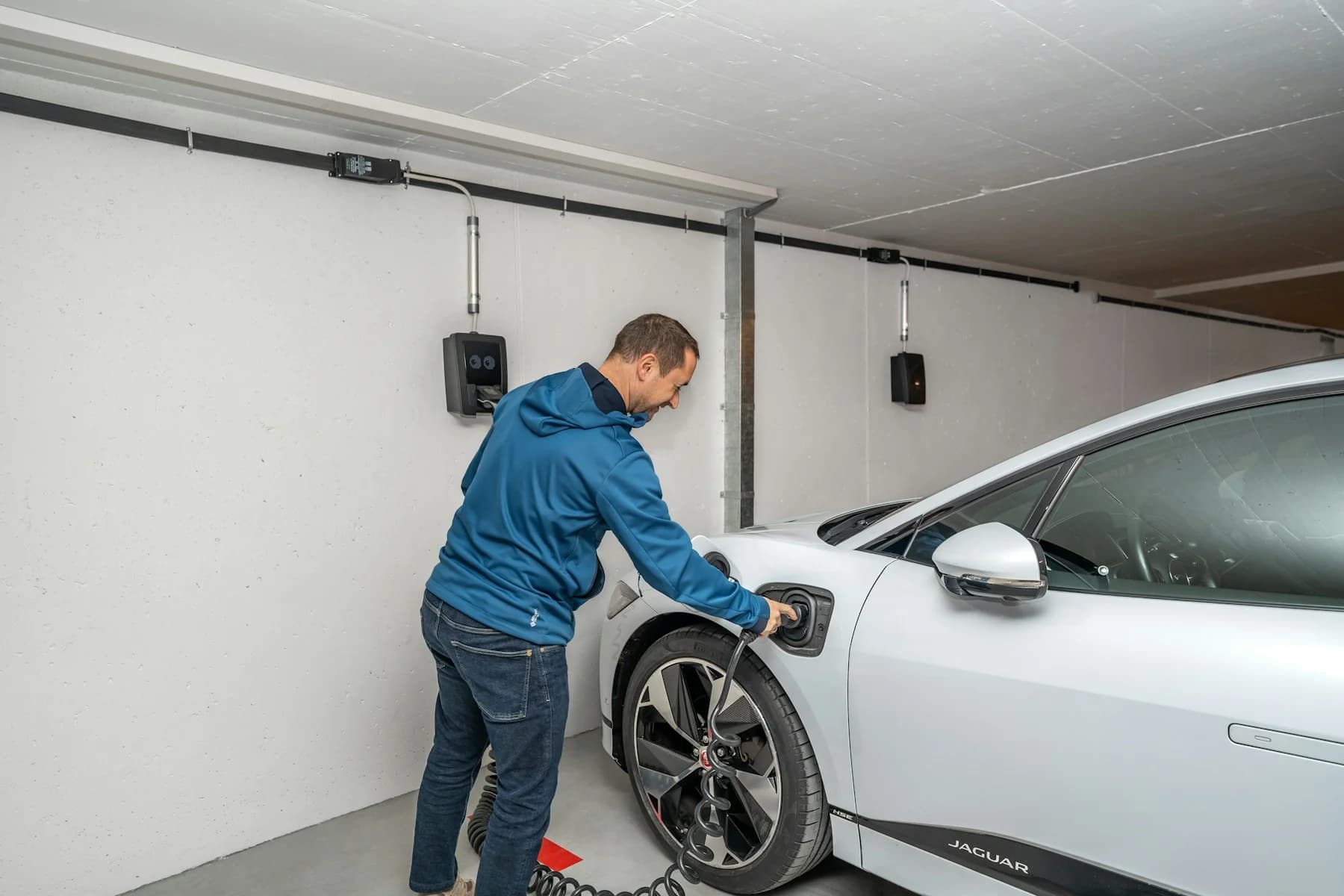
Charging is often treated as equipment to add later. For residential parking, it is also a question of where a car stays, how long it stays and whether the building can serve that space.
In brief
Plan EV charging alongside the parking layout. Confirm expected demand, electrical capacity and bay access before the design is finalised.
What the research says
The IEA’s Global EV Outlook 2026 identifies home charging as the preferred option for drivers who can access it, citing convenience and relative affordability. It also highlights the difference in access between people living in houses and those in multi-unit residences.
Delhi’s EV growth adds local context
RMI’s analysis, shared by Akshima Ghate in “Tracing Delhi’s EV Growth”, puts Delhi’s monthly EV registrations at 8,896 in May 2026 and 11,489 in August: a rise of roughly 30%. The figures cover several vehicle classes.
For residential projects, our takeaway is to estimate charging demand early. Citywide registrations provide context; each building still needs a plan for the vehicles and residents it will serve.
Our view: plan the parking and charging together
For an apartment project, a charger count alone does not explain how residents will use the spaces. Start with who parks there, which bays are allocated, how long cars remain and how charging access will be managed.
Those choices should be discussed with the electrical designer alongside the parking layout. They affect equipment positions, cable routes and how residents reach the controls.
Moving platforms need a coordinated design
A platform’s vehicle load rating does not establish charging compatibility. Where cars move on a mechanical system, the parking and charging designs need to address that movement together.
Confirm vehicle weight and dimensions, charging equipment, cable management and operating arrangements as separate parts of the project scope. Charging should never be assumed to be included simply because a parking system can carry an electric car.
A better first conversation
Bring the expected vehicle mix and charging needs to the first parking review. Even when equipment is phased, documenting the intended use gives the design team something concrete to assess.
About this article
Charging research is from the IEA. Delhi registration figures are from RMI’s analysis shared by Akshima Ghate on LinkedIn. The parking recommendations are Symtech’s interpretation.